Level 1
Essential overview
- Conventional property
- Concise condition overview
- No repair advice
Choose from RICS Level 1, Level 2 and Level 3 surveys, focused damp and timber investigation, and Energy Performance Certificates.
Each RICS level is designed for a different depth of information. Use this quick guide to compare the three routes in a more visual way.
Request a quote →
Level 1 is the most concise survey in the range. It is suited to straightforward properties where you need a clear condition snapshot rather than detailed repair commentary.
Open Level 1 page →

Level 2 goes further with clearer commentary on visible defects, condition ratings and maintenance considerations, making it a strong fit for buyers who want more than a basic overview.
Open Level 2 page →
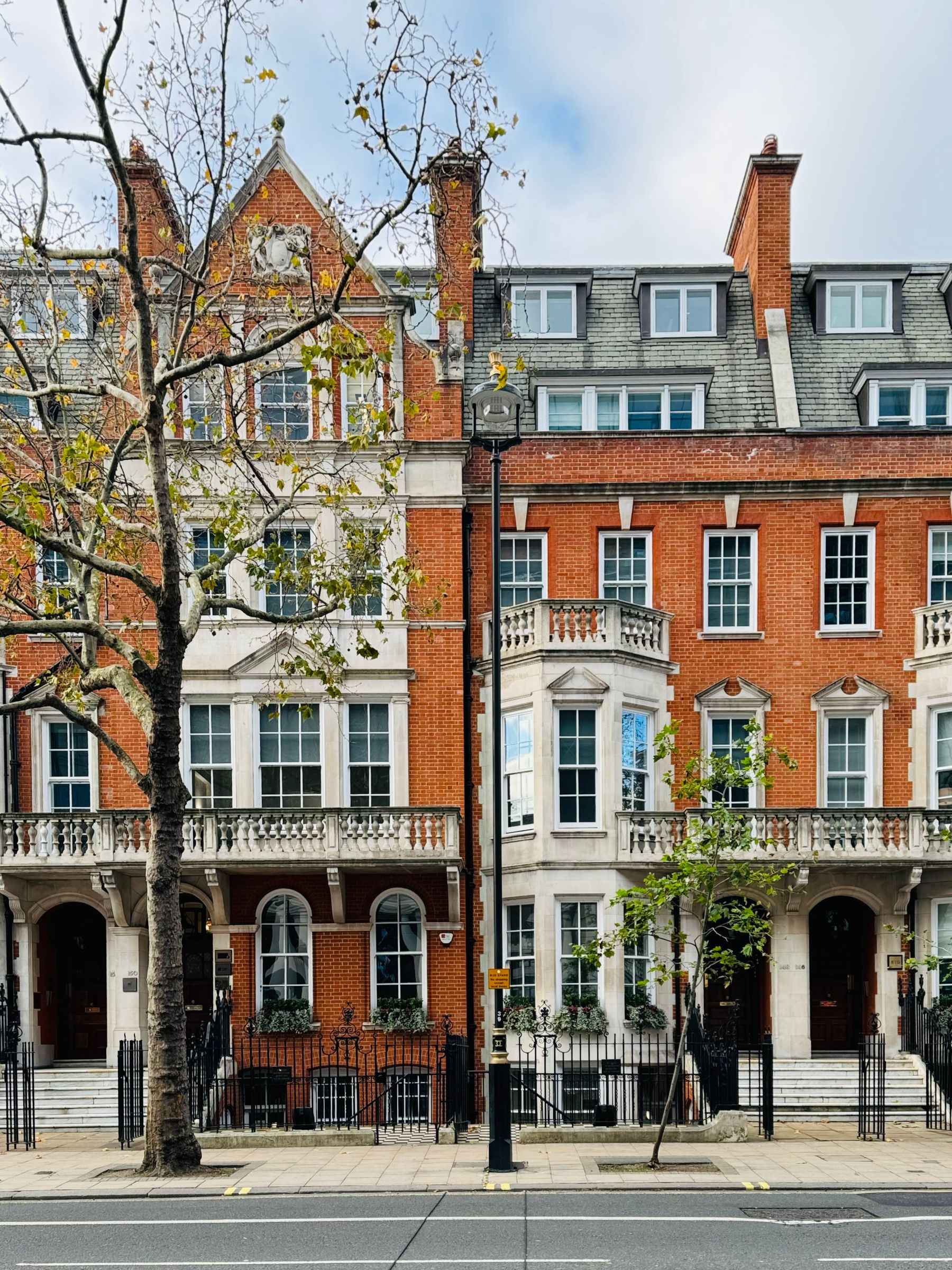
Level 3 is intended for buildings where more detailed investigation and explanation are warranted, including likely causes of defects, repair priorities and broader maintenance implications.
Open Level 3 page →RICS Levels 1, 2 and 3 offer increasing depth, while damp and timber surveys focus on a specific concern and EPCs assess energy performance.
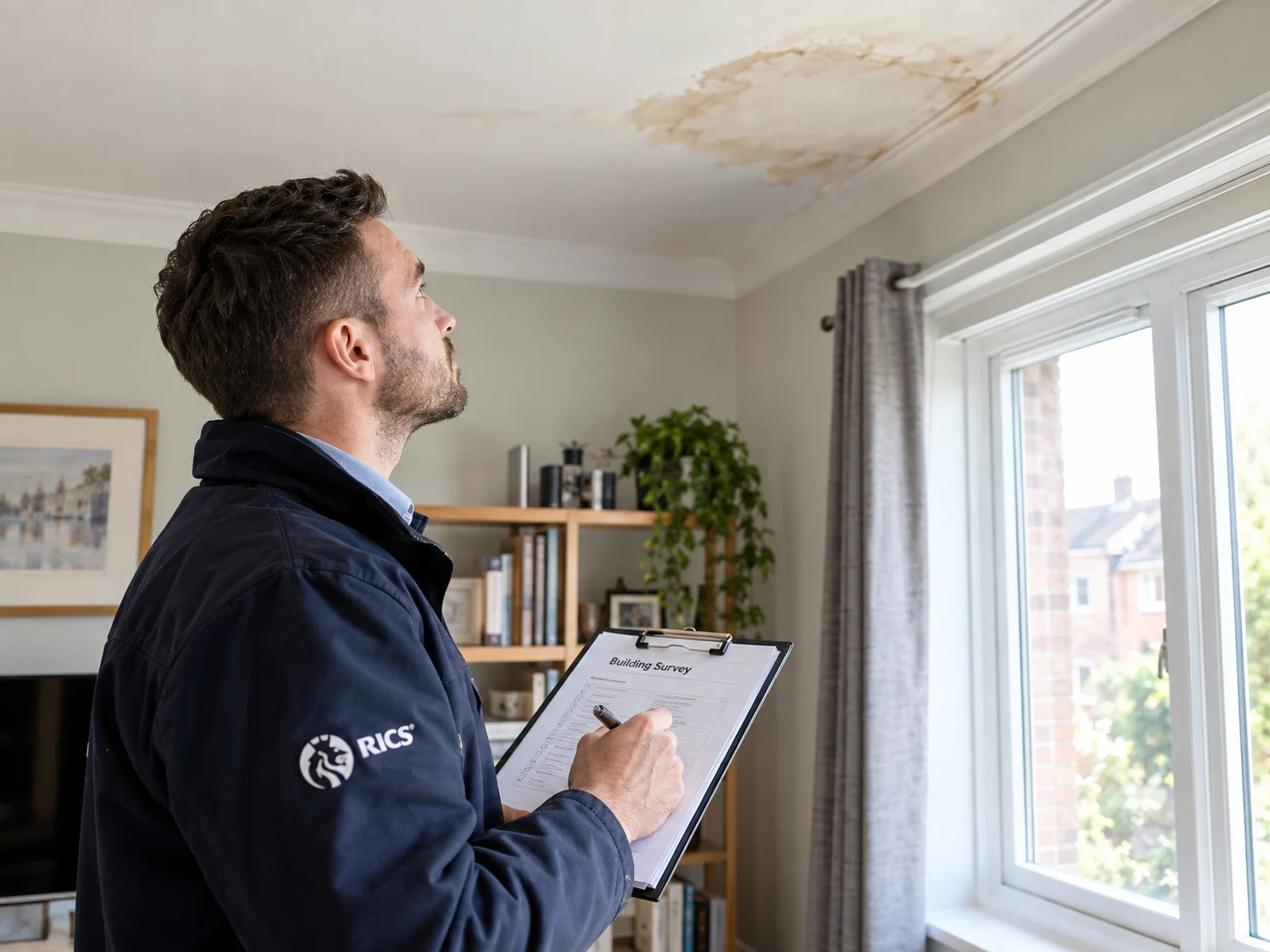
If you are unsure which service fits, the quote request can include the property details and the service can be discussed from there.
Essential condition overview for straightforward property situations.
More detailed condition advice for conventional properties.
Comprehensive assessment for older, altered or complex buildings.
Focused investigation of visible moisture and timber concerns.
Energy-efficiency assessment and improvement recommendations.
This is a high-level guide only; the appropriate survey depends on the individual property.
Essential overview
More detailed condition advice
Most comprehensive survey level

Focused investigation when a specific moisture or timber concern needs closer attention.
See the service →

A property energy assessment with a rating and improvement recommendations.
See EPCs →The service range becomes easier to navigate when you start with what is different about the property or what you need to understand.
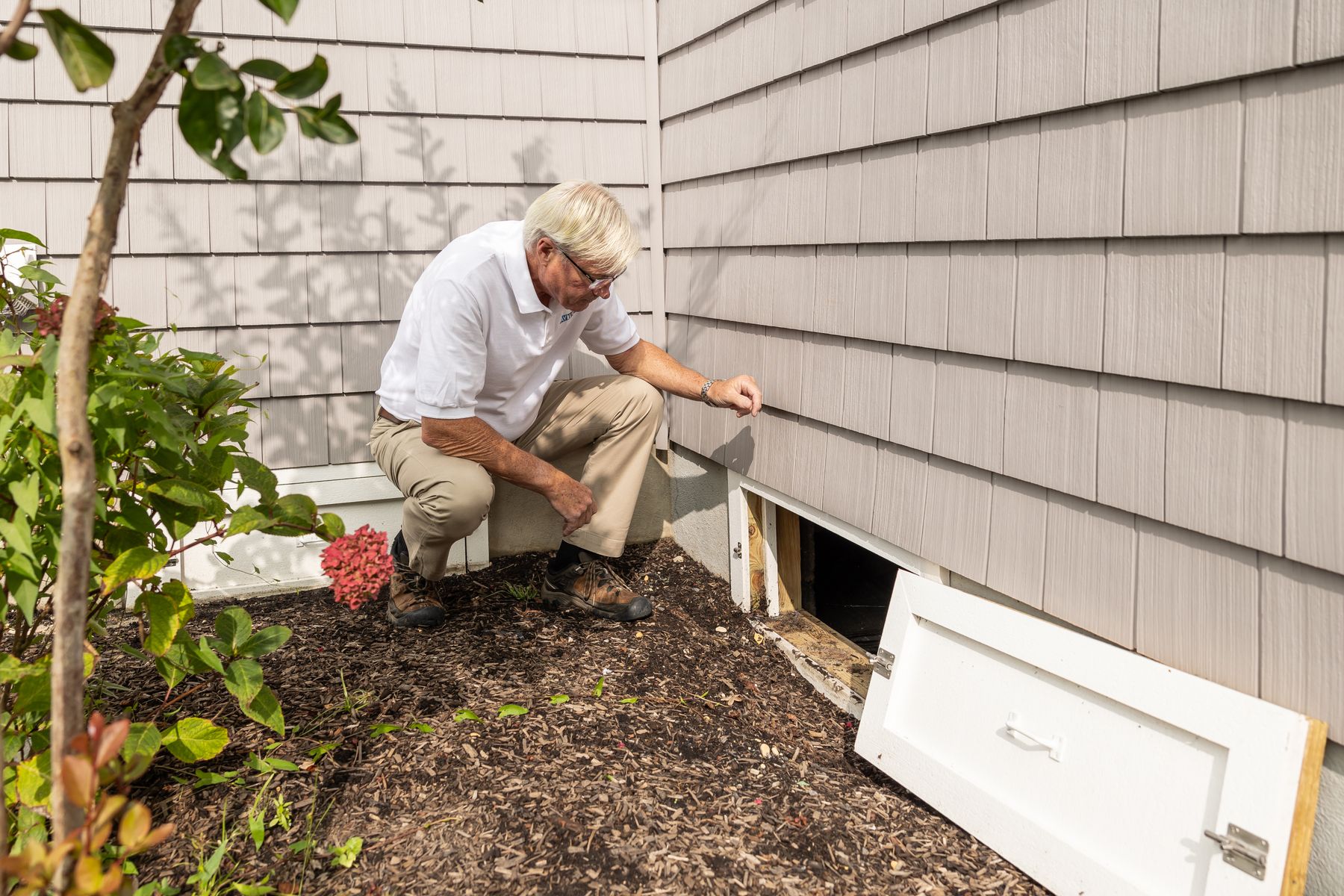
The process should make the decision easier rather than adding another layer of complexity.
Provide the address, property type and any known concerns.
Select a survey if you already know what you need, or use the enquiry to explain the situation.
The enquiry can then move forward with the appropriate survey or assessment route.
Use the quote form to share the property details, age if known, and any concerns already noticed. That context makes the enquiry more useful from the start.